Gas Leak Repairs in Taigum
Only a licensed gasfitter may carry out gas leak repair in Taigum, because fixing a gas system and testing it both count as gas work under Queensland law. Our licensed plumbers hold the gas work licence that job needs, and we handle gas leak detection and repair across Taigum and the suburbs around it. The homes we work in range from 1970s brick-veneer houses through to townhouse rows, and the leak points differ between them.
If we're late, $100 comes off your bill

- Licensed and InsuredEvery job done by a licensed plumber. QBCC No: 15024607
- Fixed Quote FirstFlat-rate pricing, agreed before any work starts
- Lifetime Labour WarrantyBacked by our Fix-It-or-It's-Free guarantee (T&Cs apply)
- $0 Call-Out FeesNo extra charge for nights, weekends or public holidays
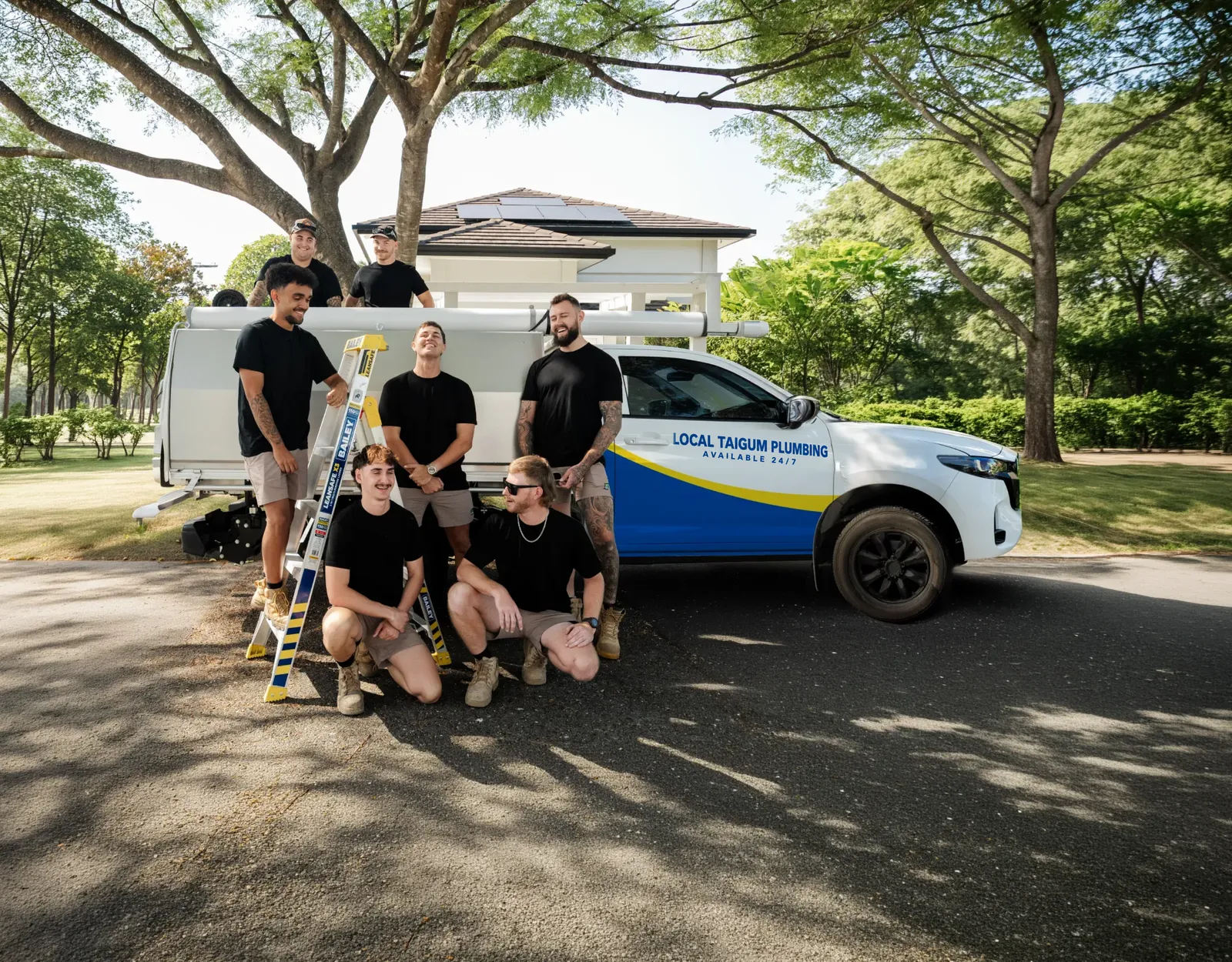
If you smell gas right now, safety comes before any of this page. Turn the appliance off if it's safe, open the doors and windows, and don't switch any electrics on or off. Get outside and ring (07) 3523 7121 from out there.
This page covers what happens after those first steps: how the leak gets found, where leaks usually sit, how the repair runs, and the documents that can follow. Our gas fitter services page lists the wider range of gas work we cover.
How a Gas Fitter Finds the Leak
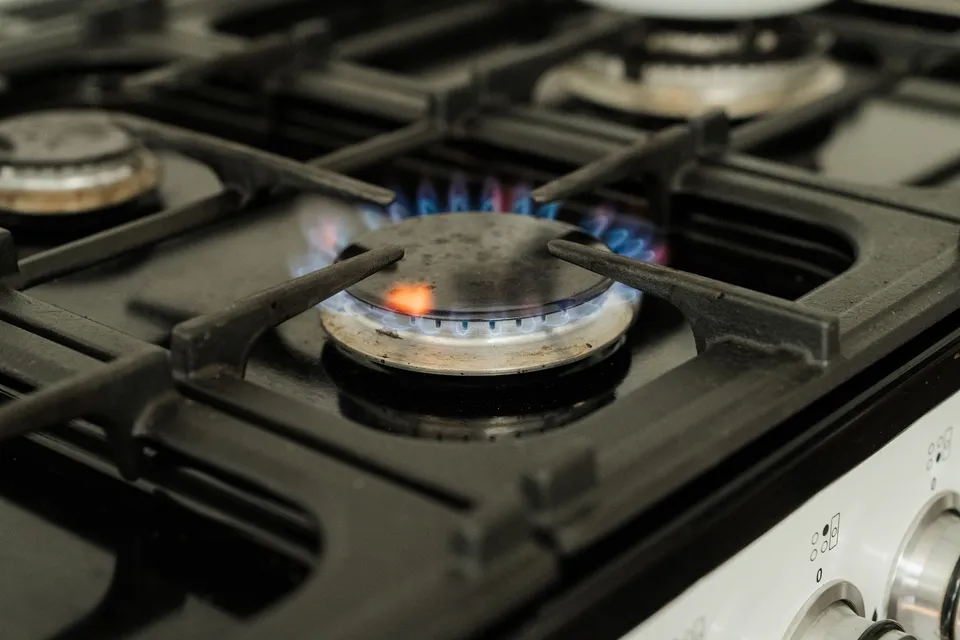
The gasfitter shuts the supply, splits the pipework into sections, pressure-tests each section, and the one that loses pressure holds the leak. Once the failing section is known, fittings inside it get a detergent-and-water check, and bubbles mark the exact point.
Householders get one check of their own. With the gas on, lightly spray a detergent-and-water mix on the meter or bottle fittings, the regulator and its hose, and the connection point. If bubbles appear, contact a licensed gasfitter.
Pressure testing also tells the gasfitter whether the system holds gas again after the repair. A retest closes the job properly, and the gas only goes back on once the pipework passes.
Leak Points Inside, Outside and Underground
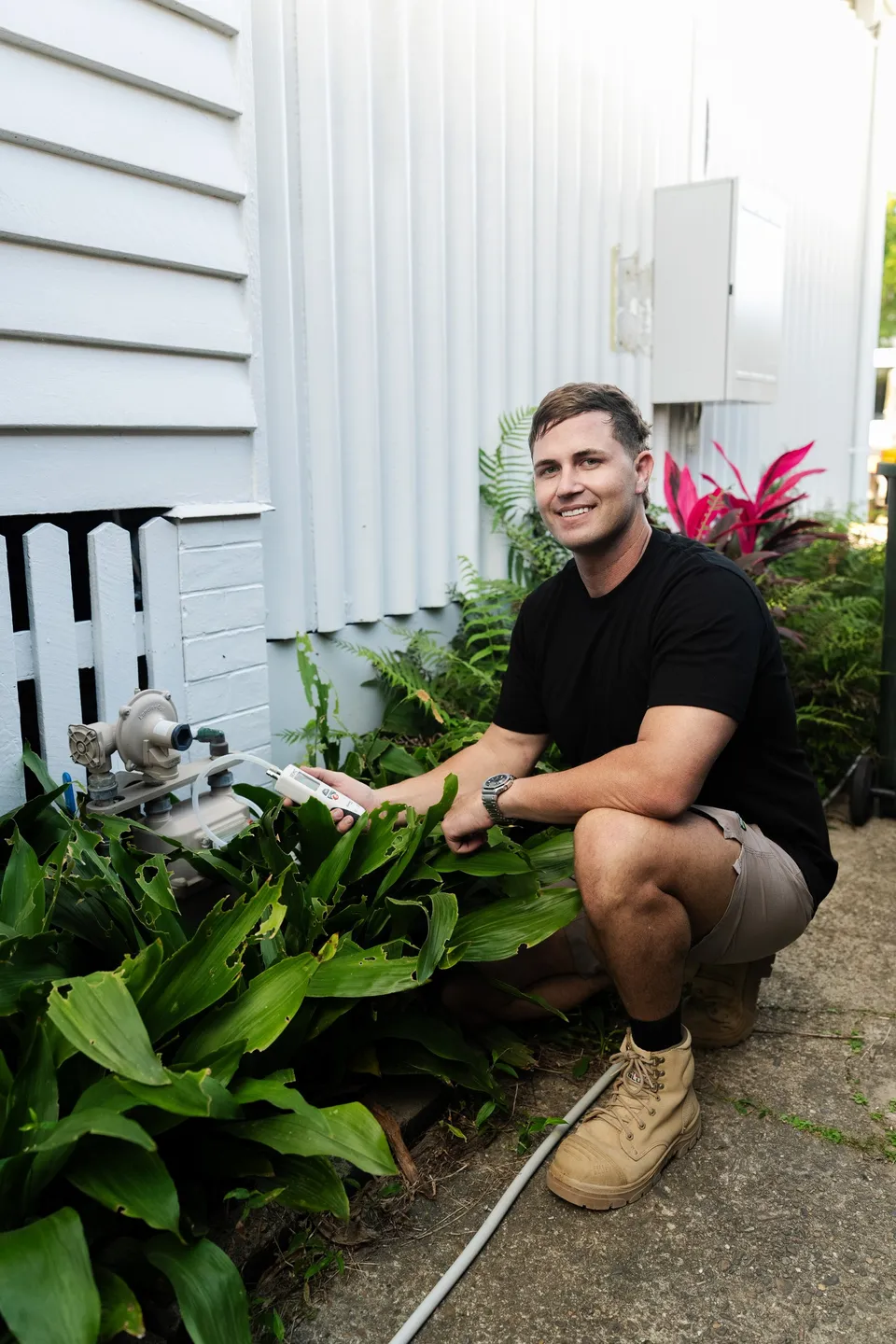
Working from the supply inward, the usual leak points are the meter or cylinder fittings, the regulator and its hose, the joints along the pipe run, and the final connection into the appliance. Each part fails in its own way.
Meter or bottle fittings
Outdoor fittings cop weather, and corrosion eats at threads and flare joins over the years.
Regulator and hose
Rubber hose perishes with age and heat, and regulators wear out internally.
Pipe joints
Every bend and tee is a potential leak path, especially where older pipework has been disturbed.
The appliance connection
The last flexible join before a cooker or heater works loose or perishes with use.
The gas type changes where a leak collects, too. Natural gas weighs less than air, so a leak tends to rise and thin out in the open. LPG is heavier, so it can settle in low spots and drains, which is why a gasfitter checks those places as well.
A safety check also looks for rust, wear or damage across the system and its appliances. Corrosion on older fittings is a common reason a small weep turns into a smell you notice.
How a Gas Leak Gets Repaired
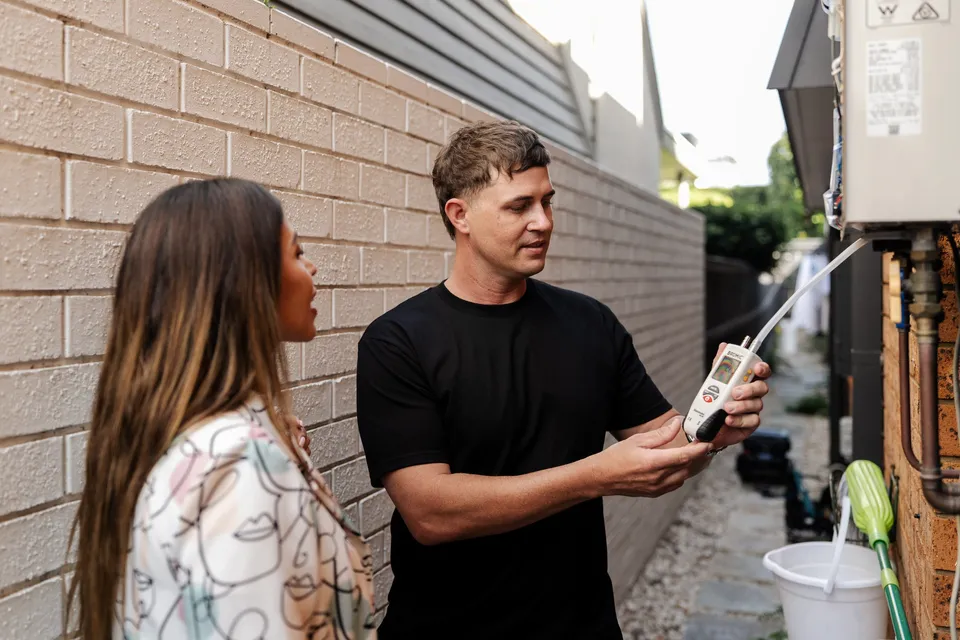
A licensed gasfitter does the repair, and the fix scales with the fault. The options run from swapping a worn fitting or a faulty regulator, to replacing an accessible stretch of pipe, to running new pipe around a run that can't be reached. The system is then retested before the gas goes back on.
A straight swap of one fitting is a small job. A corroded underground section is a bigger one, because the ground has to come up first. Where the leak traces to an appliance rather than the pipework, the repair may sit with gas cooktop installation instead, if the appliance itself needs replacing rather than fixing.
Whatever the scale, the repair is never a home job. Only a licensed gasfitter may break into a gas line, and a repair done outside the licence puts the whole system's compliance at risk.
Gas Systems in an Established Suburb
Taigum grew by 8.6 per cent in estimated resident population over the five years to 2025, at area level, yet just 6 dwellings were approved across 2021-22. Practically no new housing stock came in, so the pipework serving the suburb's homes is the same ageing stock it has carried for decades.
Older fittings, perished hoses and corroded joints are therefore the norm in the gas leak repair work we see here, not the exception. A townhouse block fitted to one specification ages as a set, so the same weak connection can surface in unit after unit once the complex passes a certain age.
Paperwork After a Gas Leak Repair
Two documents can follow a gas leak repair, each with its own trigger. A defect notice covers any safety concern the gasfitter finds that isn't fixed on the spot, and a compliance certificate is issued when the work installs or alters the gas system.
Defect notice
If a concern is fixed immediately through gas work, no notice is needed. Where it isn't, the notice goes to the owner or operator in writing.
Compliance certificate
Issued straight after an installation or alteration, to certify the work complies. A straight fitting swap may not count as an alteration, so the gasfitter will tell you which applies.
Imminent risk
Where a risk to safety is live, the gasfitter makes the system safe first, then phones the gas network operator and the state's gas inspectorate.
Our gas compliance certificates page goes deeper on the certificate side of that paperwork.
How the Gas Leak Repair Visit Runs
- 1

Get in touch
Call (07) 3523 7121 or send a quick message about the job in Taigum, and we'll ask what we need to know.
- 2

We make the system safe and find the leak
We shut the gas off at the meter or cylinder, run a pressure test section by section to pinpoint the leak, and talk you through the repair options before any pipe is opened.
- 3
Sign off the quote
You'll see a fixed quote before any work starts, with flat-rate pricing and no hidden fees. The job starts when you're happy with it.
- 4

Pay once it's done
Pay by card or EFTPOS on site after the work's finished, or choose Fix now, pay later.
Plumbing job in Taigum?
$0 call-out fees, available 24/7, and same-day where we can.
Gas Leak Questions From Taigum Homes
Call (07) 3523 7121Is it safe to stay in the house with a gas leak?
No, get outside first and leave flames and electrical switches alone, turning the appliance off if it's safe and opening doors and windows on the way out. If the smell stays, shut the gas off at the meter or cylinder and ring from outside. If you can still smell it after that, call 000.
Who do I ring for a gas leak in Taigum?
Ring the gas supplier's emergency number, printed on your gas bill under 'emergencies' or 'leaking gas', or a licensed gasfitter for the repair side. If the smell is still there once the supply is off, call 000 straight away.
How does a gasfitter find where gas is escaping?
The gasfitter isolates each stretch of pipework and tests it under pressure, and the stretch that drops is where the escape sits. A detergent mix brushed onto the fittings in that stretch then pinpoints the exact spot.
Can I test for a gas leak with soapy water at my Taigum home?
Yes, as a check only. Spray some detergent and water over the meter or cylinder fittings, the regulator hose and the connection point while the gas is running. Bubbles mean a leak, so note the spot, shut the supply off and call a licensed gasfitter.
What should I do about gas fittings after a storm or flood?
Call 000 if you can smell gas. If the storm or flood has damaged the meter, regulator or cylinders, contact the gas supplier, and have a licensed gasfitter check the system before anything goes back on.

Call Us About the Smell of GasWe'll call you back.
Ring (07) 3523 7121 and tell us what's wrong. You get $0 call-out fees, a fixed quote before any work starts and same-day where we can, 7 days a week.
To claim your $0 call-out fee, call (07) 3523 7121 today.