Plumber in Boondall
From 1940s fibro cottages to the brick-veneer estates that followed the 1986 motorway, this suburb's housing spans three building eras, and each era brings its own plumbing faults. Our team covers the leaks, taps, toilets and pipe repairs those eras produce. For a plumber Boondall owners can ring any day, call (07) 3523 7121.
If we're late, $100 comes off your bill

- Licensed and InsuredEvery job done by a licensed plumber. QBCC No: 15024607
- Fixed Quote FirstFlat-rate pricing, agreed before any work starts
- Lifetime Labour WarrantyBacked by our Fix-It-or-It's-Free guarantee (T&Cs apply)
- $0 Call-Out FeesNo extra charge for nights, weekends or public holidays
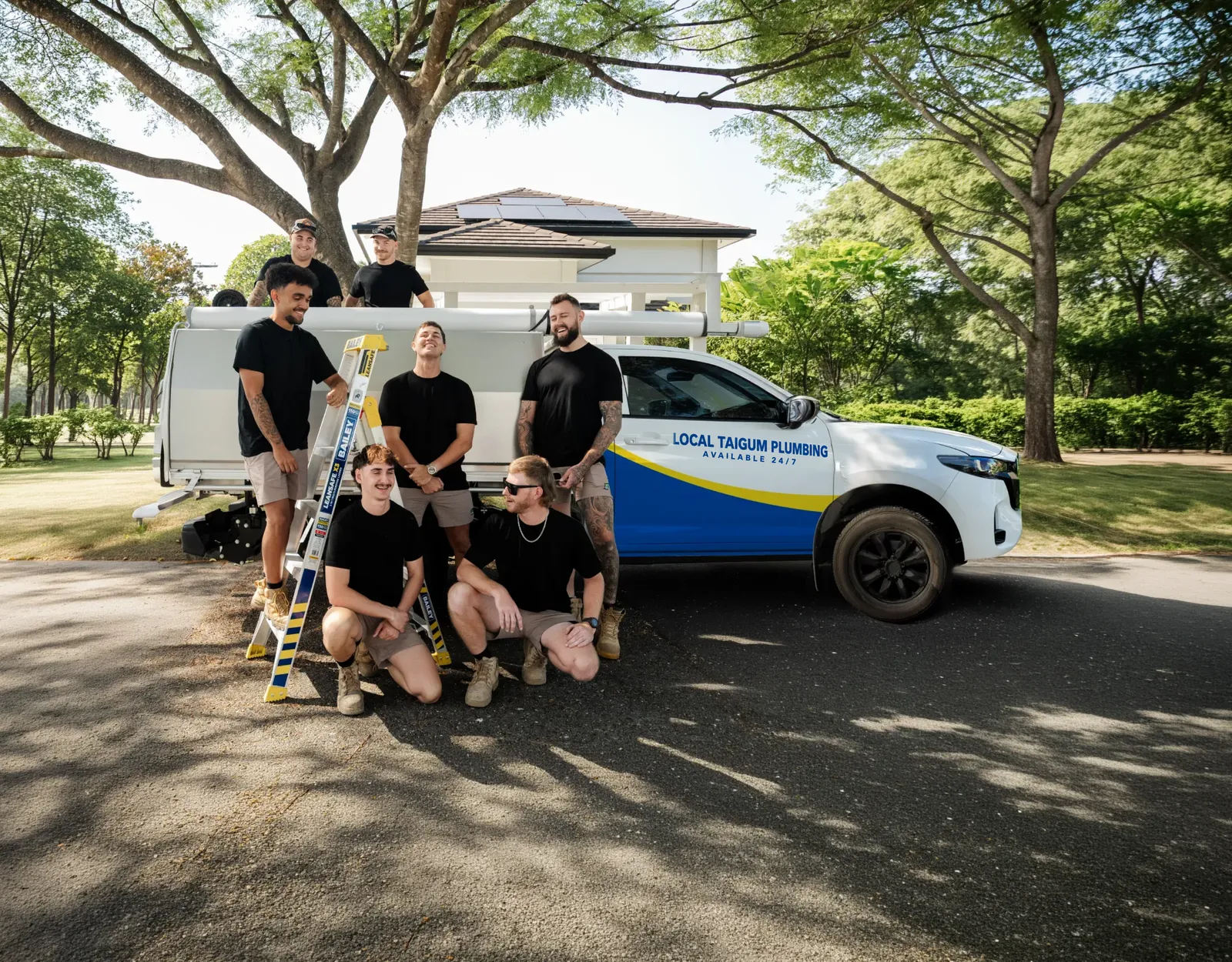
We work across Taigum and the neighbouring suburbs, and this suburb is a regular stop on the run. Every job is done by a licensed plumber, and you get a fixed quote before any work starts.
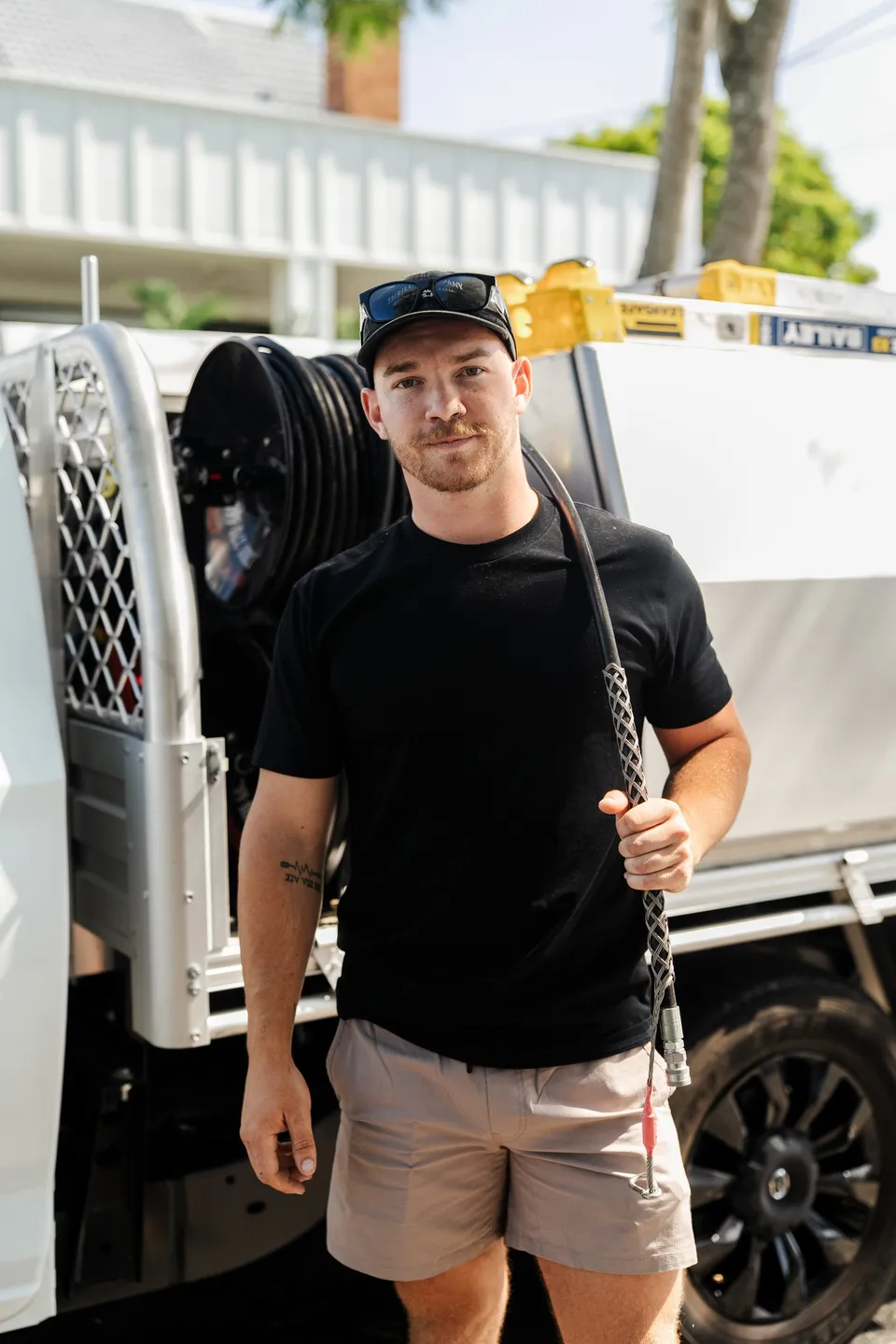
Housing Age and Pipe Materials in Boondall
Three eras shape the housing: 1940s to 1960s cottages, 1960s to 1980s postwar blocks, and 1980s to 2000s estates, mostly detached houses with townhouses next. Walls run from fibro and weatherboard to brick veneer, and the pipework matches the decade the street went up.
Those eras point to one fault: the galvanised water service. The 1950s and 1960s houses carry galvanised lines that weaken at their threaded joints. In this wet ground, a slow leak can hollow out the soil around a joint well before water shows at the surface.
Two age markers are worth knowing:
- Lead-based solder was common on copper and brass joints until 1989, so a pre-1989 water service deserves a check.
- Hot water units across both generations are on later replacement units now, and hot water plumbing covers that work.
Our leak detection work traces the hidden loss those joints cause.
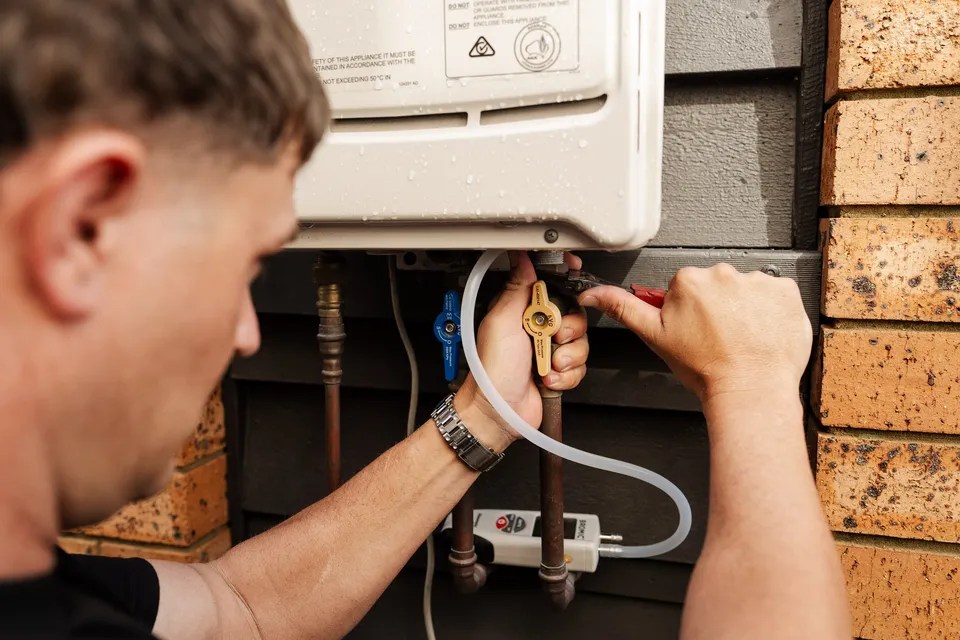
How Wet and Dry Spells Strain Pipes
Alluvial ground and reactive clay make up the soil, and the eastern half of the suburb sits beside tidal wetland. Clay swells after rain and contracts in dry spells, moving the ground under slabs and pulling on buried joints.
The wetland edge adds salt. Tidal-flat silt and salty groundwater sit under the blocks near the mangroves, so garden taps, hose fittings and tank bases there rust years ahead of the drier western streets.
Storms add a third pressure. Summer thunderstorms between November and March sit over the low ground, and overland flow paths along Lyndhurst Road and Muller Road dump roof and paving runoff into yard drains all at once. When water gets where it shouldn't be, our emergency plumber page walks through the first steps.
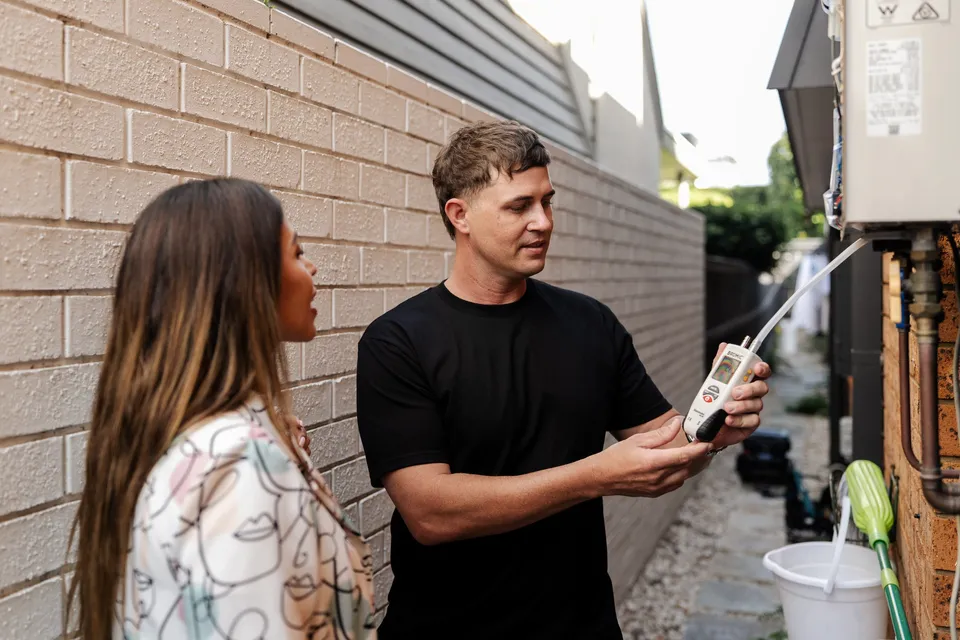
Your Side of the Meter and the Utility's
Urban Utilities handles the public water main, the sewerage network and your boundary meter. The pipes past the meter are yours to maintain, and knowing that line saves a wasted call when a problem starts.
Meter facts worth knowing for owners here:
- Pressure at the meter runs at least 210 kPa, and the network design ceiling is 550 kPa, though some low-lying areas run higher.
- Your meter sits in a small box below ground in the verge out front.
- The utility services and replaces meters over time at no charge to you, unless you have altered the meter or blocked access to it.
A meter only counts as inaccurate outside a 5 per cent error band, and a leak gets ruled out before any test happens.
Plumbing Jobs We Handle in Boondall
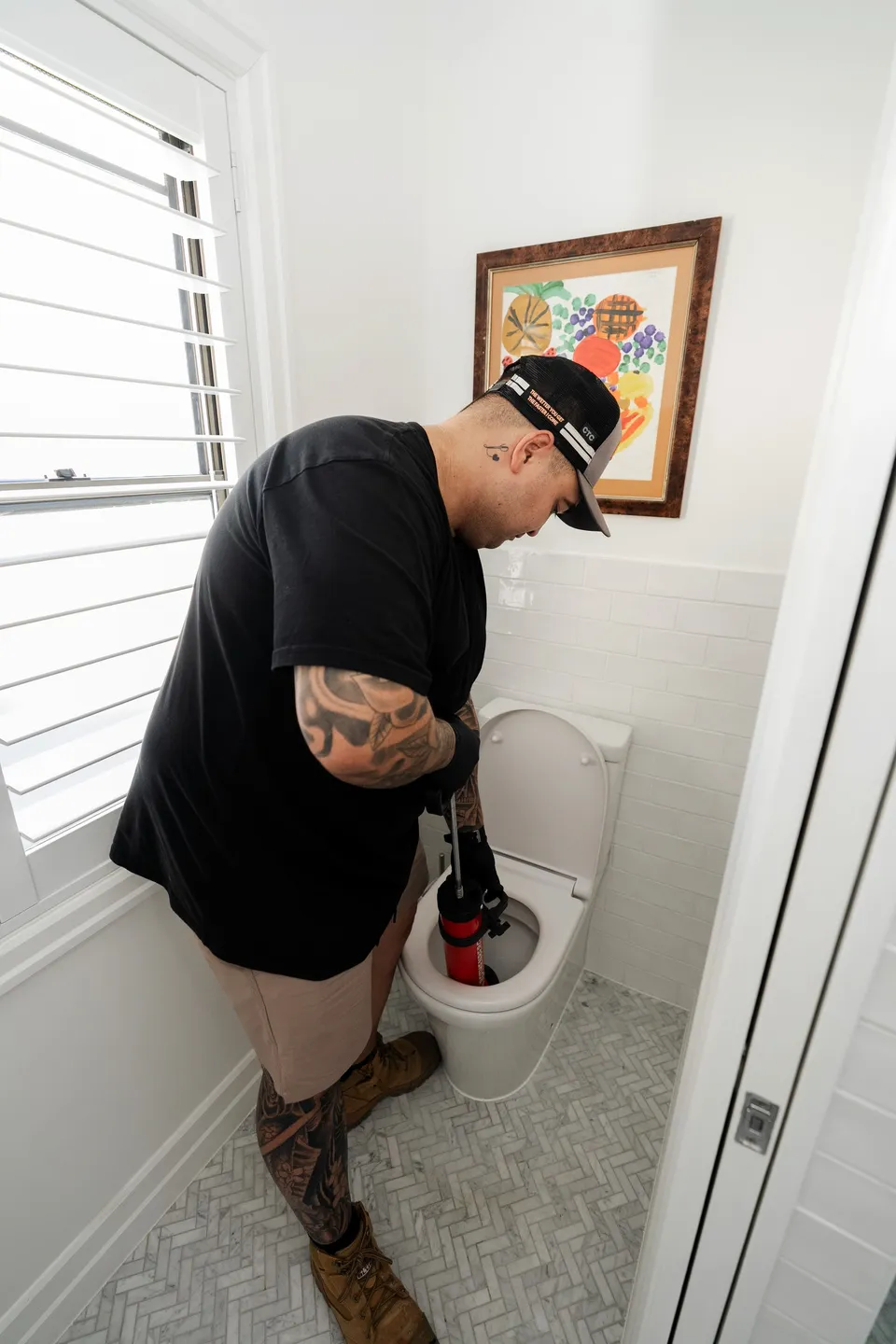
The calls here track the housing and the soil. Water service leaks in the postwar streets, tap and toilet work in the older homes, corroded outdoor fittings near the wetland edge, and bathroom and gas work across both generations.
- Tap and toilet plumbing: washers, mixers, cisterns and running loos in fibro, weatherboard and brick-veneer homes alike.
- Water pipe repairs: galvanised service line leaks, threaded joint failures and burst pipes in wet ground.
- Gas fitting: cooktop installs, leak repairs and compliance certificates for homes across the suburb.
- Bathroom plumbing: shower repairs, leaking showers and renovation plumbing for the older cottages and newer estates.
Closing the stop tap at your meter, turned clockwise, shuts off every drop inside the boundary. That is the first move for a burst pipe. Every suburb on the run is listed on our Suburbs We Cover page.
Plumbing Questions We Get
Call (07) 3523 7121Does soil movement in Boondall damage pipes?
Yes, it can. The reactive clay here swells after rain and contracts in dry spells, and that movement strains pipe joints and buried lines. Galvanised service lines with threaded joints feel it first.
Do older homes here have different pipes from newer ones?
Yes, they do. Pipework follows the decade its street went up, and homes here range from the 1940s to the 1990s. Water pipes installed before 1989 may carry lead-based solder at the copper and brass joints, so they are worth a check.
Is the water pressure different in this suburb?
Yes, it varies. The utility supplies at least 210 kPa at the meter, and the design ceiling is 550 kPa, with some low-lying areas running higher. A plumber measures the real pressure at your tap before advising any fix.
Which plumbing jobs are common in Boondall?
Leaks on old galvanised service lines, burst pipes in wet ground, corroded outdoor taps near the wetland edge, and tap and toilet repairs in the fibro and weatherboard homes. Bathroom and gas jobs spread across both housing generations. Every job is priced by fixed quote before we start.

Ring Us About the JobWe'll call you back.
Ring (07) 3523 7121 and tell us what's wrong. You get $0 call-out fees, a fixed quote before any work starts and same-day where we can, 7 days a week.
To claim your $0 call-out fee, call (07) 3523 7121 today.